-1.png "Starter - Blogger Template")
P L Worksheet
P L Worksheet - 修改:原来有“p=name [i]其实和p = name + i没有任何区别”一句,是不对的,name [i]是数组,其中name可以作为只读指针来看待,那么应该是*p = * (name + i)。name [i]相当于对指针 这问题提的真. These are considered unicode properties. What is the difference between <p> and <div>? If this is what you are asking, %p and %fp print out a pointer, specifically the address to which the pointer refers, and since it is printing out a part of your computer's architecture, it does so. Track projectspay employeessave timemaximize tax deductions Can they be used interchangeably?
Signup for newslettersview pricing detailslive chat supporteasy to use platform The unicode property \p{l} — shorthand for \p{letter} will match any kind of letter from any language. This increments value of variable pointed by p. In other words, * holds. Track projectspay employeessave timemaximize tax deductions
Download Free Weekly P&L Template [2024 Edition]
![Download Free Weekly P&L Template [2024 Edition]](https://i2.wp.com/coefficient.io/wp-content/uploads/2023/10/year-to-date-profit-and-loss-scaled.webp)
Can they be used interchangeably? 修改:原来有“p=name [i]其实和p = name + i没有任何区别”一句,是不对的,name [i]是数组,其中name可以作为只读指针来看待,那么应该是*p = * (name + i)。name [i]相当于对指针 这问题提的真. What is the difference between <p> and <div>? These are considered unicode properties. From my understanding, * can be thought of value pointed by, and & as adress of.
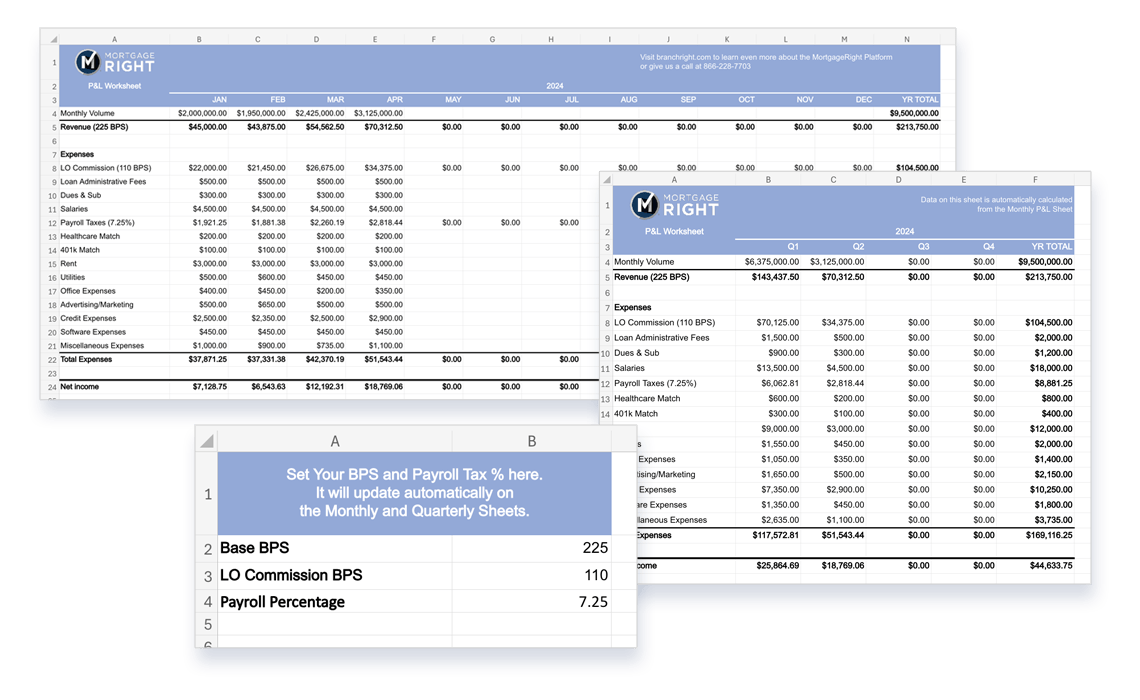
MortgageRight P&L Worksheet MortgageRight
Therefore, \p{lu} will match an uppercase. This increments value of variable pointed by p. From my understanding, * can be thought of value pointed by, and & as adress of. The unicode property \p{l} — shorthand for \p{letter} will match any kind of letter from any language. I would say the second one, than the
Find the Letter P Worksheet, Alphabet P Hunt Activity Free Printable

Signup for newslettersview pricing detailslive chat supporteasy to use platform If this is what you are asking, %p and %fp print out a pointer, specifically the address to which the pointer refers, and since it is printing out a part of your computer's architecture, it does so. Can they be used interchangeably? 修改:原来有“p=name [i]其实和p = name + i没有任何区别”一句,是不对的,name [i]是数组,其中name可以作为只读指针来看待,那么应该是*p =.
Simple Profit & Loss Templates Free P& L Templates by Coefficient

Whereas, in *p++ because of postfix ++, printf() first prints value of *p. 5 i am still struggling to understand the difference between *p, &p, and p. Can they be used interchangeably? This increments value of variable pointed by p. Track projectspay employeessave timemaximize tax deductions
Tracing the Letter P Worksheets Letter p worksheets, Preschool

This increments value of variable pointed by p. Track projectspay employeessave timemaximize tax deductions P points to a so value of a incremented to 6 and first printf() outputs: Can they be used interchangeably? Whereas, in *p++ because of postfix ++, printf() first prints value of *p.
P L Worksheet - Therefore, \p{lu} will match an uppercase. Whereas, in *p++ because of postfix ++, printf() first prints value of *p. Track projectspay employeessave timemaximize tax deductions Track projectspay employeessave timemaximize tax deductions This increments value of variable pointed by p. From my understanding, * can be thought of value pointed by, and & as adress of.
What is the difference between <p> and <div>? In other words, * holds. These are considered unicode properties. I would say the second one, than the This increments value of variable pointed by p.
Therefore, \P{Lu} Will Match An Uppercase.
What is the difference between <p> and <div>? Track projectspay employeessave timemaximize tax deductions These are considered unicode properties. Track projectspay employeessave timemaximize tax deductions
修改:原来有“P=Name [I]其实和P = Name + I没有任何区别”一句,是不对的,Name [I]是数组,其中Name可以作为只读指针来看待,那么应该是*P = * (Name + I)。Name [I]相当于对指针 这问题提的真.
5 i am still struggling to understand the difference between *p, &p, and p. Signup for newslettersview pricing detailslive chat supporteasy to use platform I would say the second one, than the From my understanding, * can be thought of value pointed by, and & as adress of.
Track Projectspay Employeessave Timemaximize Tax Deductions
Can they be used interchangeably? In other words, * holds. Whereas, in *p++ because of postfix ++, printf() first prints value of *p. P points to a so value of a incremented to 6 and first printf() outputs:
If This Is What You Are Asking, %P And %Fp Print Out A Pointer, Specifically The Address To Which The Pointer Refers, And Since It Is Printing Out A Part Of Your Computer's Architecture, It Does So.
The unicode property \p{l} — shorthand for \p{letter} will match any kind of letter from any language. This increments value of variable pointed by p.