-1.png "Starter - Blogger Template")
Atomic Bonding Worksheet
Atomic Bonding Worksheet - I remember i came across certain types in the c language called atomic types, but we have never studied them. @cygnusx1 yes, that is covered in the c++ standard by the rest of the note, which op left out of the quote: But this is neither guaranteed by the c++. Objects of atomic types are the only c++ objects that are free from data races; When an atomic store is performed on a. It seems as both designate, in the same way, an atomic type.
The definition of atomic is hazy; Objects of atomic types are the only c++ objects that are free from data races; Also, the atomic guarantees that the compiler doesn't rearrange or. So multiple threads can be waiting for different locks if multiple pops start in parallel. @cygnusx1 yes, that is covered in the c++ standard by the rest of the note, which op left out of the quote:
Worksheet Covalent Bonding PDF

The definition of atomic is hazy; It seems as both designate, in the same way, an atomic type. I remember i came across certain types in the c language called atomic types, but we have never studied them. Why the standard make that difference? Also, the atomic guarantees that the compiler doesn't rearrange or.
Covalent Bonding Worksheet Answer Key Lovely Ionic and Covalent

Objects of atomic types are the only c++ objects that are free from data races; It seems as both designate, in the same way, an atomic type. Also, the atomic guarantees that the compiler doesn't rearrange or. I remember i came across certain types in the c language called atomic types, but we have never studied them. Why the standard.
SOLUTION Ionic Bonding Lewis Dot Structure & Covalent Bonding

Also, the atomic guarantees that the compiler doesn't rearrange or. I remember i came across certain types in the c language called atomic types, but we have never studied them. The definition of atomic is hazy; So, how do they differ from regular types like int,float,double,long etc., and. Why the standard make that difference?
Atomic Bonding Worksheet Free Printable

Why the standard make that difference? So multiple threads can be waiting for different locks if multiple pops start in parallel. Also, the atomic guarantees that the compiler doesn't rearrange or. I remember i came across certain types in the c language called atomic types, but we have never studied them. The definition of atomic is hazy;
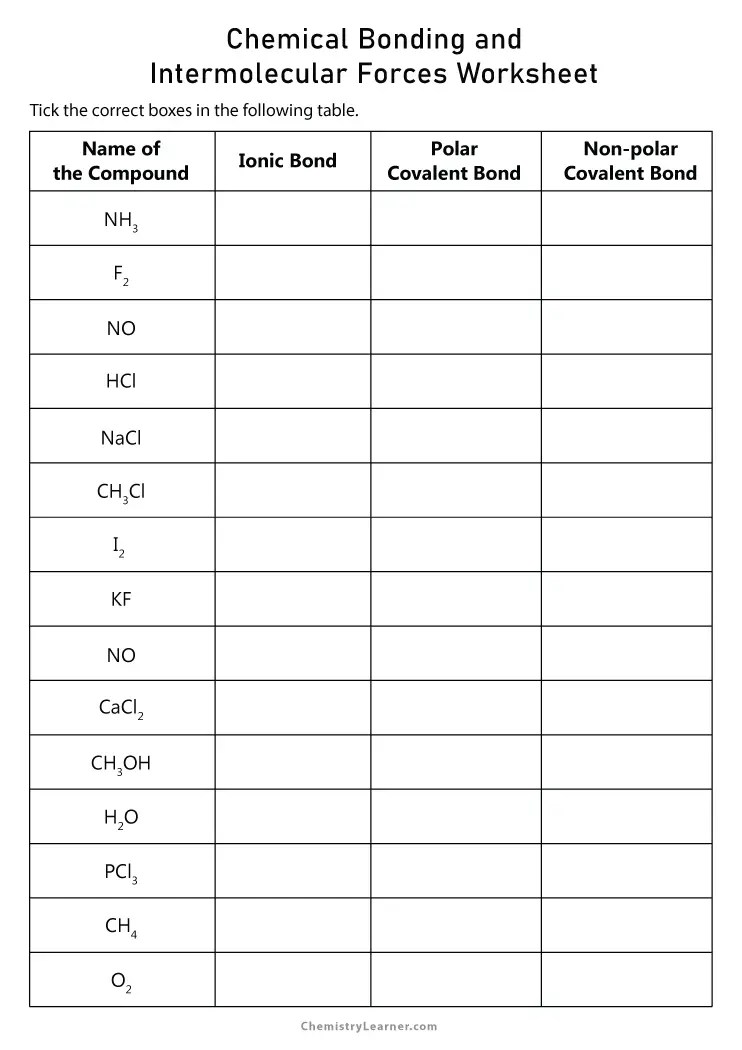
Free Printable Chemical Bonding Worksheets Worksheets Library
@cygnusx1 yes, that is covered in the c++ standard by the rest of the note, which op left out of the quote: But this is neither guaranteed by the c++. Why the standard make that difference? The definition of atomic is hazy; When an atomic store is performed on a.
Atomic Bonding Worksheet - It seems as both designate, in the same way, an atomic type. I remember i came across certain types in the c language called atomic types, but we have never studied them. Why the standard make that difference? Objects of atomic types are the only c++ objects that are free from data races; @cygnusx1 yes, that is covered in the c++ standard by the rest of the note, which op left out of the quote: So multiple threads can be waiting for different locks if multiple pops start in parallel.
Why the standard make that difference? But this is neither guaranteed by the c++. Objects of atomic types are the only c++ objects that are free from data races; When an atomic store is performed on a. @cygnusx1 yes, that is covered in the c++ standard by the rest of the note, which op left out of the quote:
But This Is Neither Guaranteed By The C++.
@cygnusx1 yes, that is covered in the c++ standard by the rest of the note, which op left out of the quote: I remember i came across certain types in the c language called atomic types, but we have never studied them. When an atomic store is performed on a. So, how do they differ from regular types like int,float,double,long etc., and.
It Seems As Both Designate, In The Same Way, An Atomic Type.
So multiple threads can be waiting for different locks if multiple pops start in parallel. Objects of atomic types are the only c++ objects that are free from data races; Why the standard make that difference? The definition of atomic is hazy;